News

The genomes of four spruce trees native to North America
Sequencing, assembly and comparative analysis of four spruce giga-genomes completed as part of the SpruceUp project, which aims to enhance the genomic knowledge and accelerate spruce breeding programs across the nation.
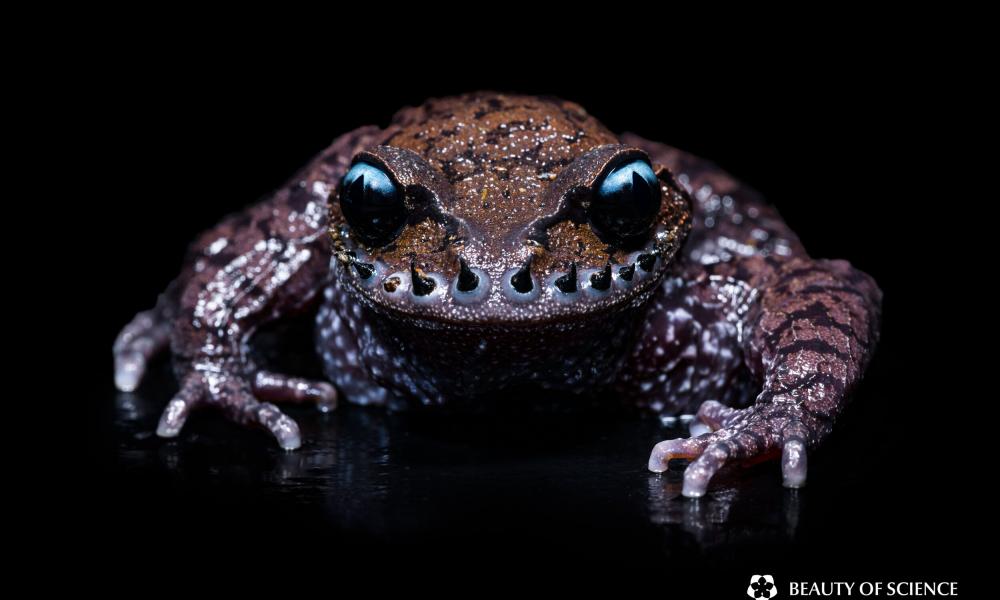
Finding Alternatives to Antibiotics in Amphibian and Insect RNA with rAMPage
A bioinformatics pipeline referred to as rAMPage identifies antimicrobial peptides in amphibian and insect RNA sequences.
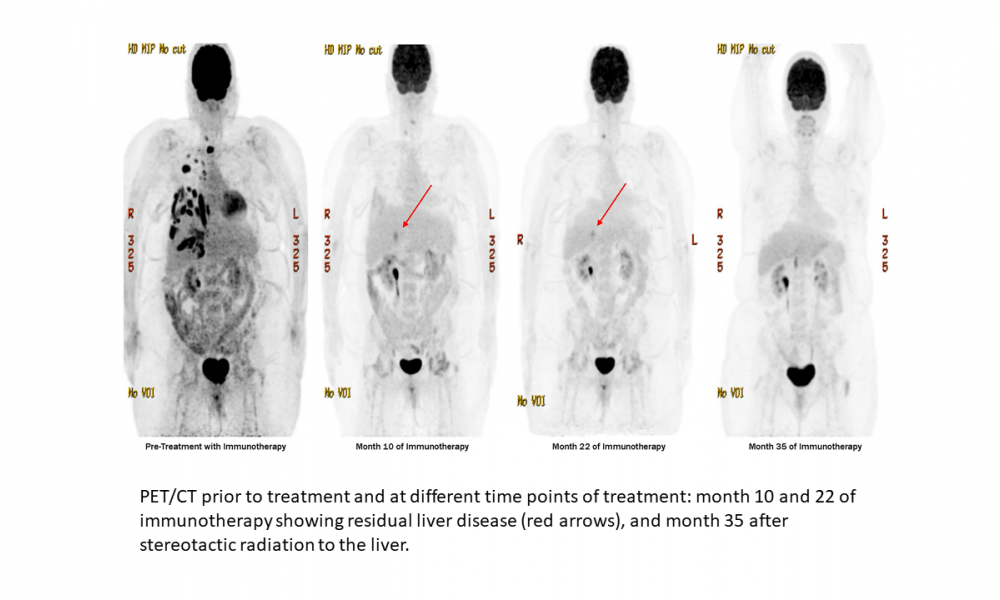
Genomic Analysis of Uveal Melanoma Case with Good Response to Therapy
Personalized OncoGenomics case report provides insight into uveal melanoma and immune checkpoint inhibitor therapy.

Transcriptome Analysis Provides Genomic Insight into Emu Fat Metabolism
Understanding gene expression in emu fat tissue could improve production of emu oil and increase its potential health benefits.
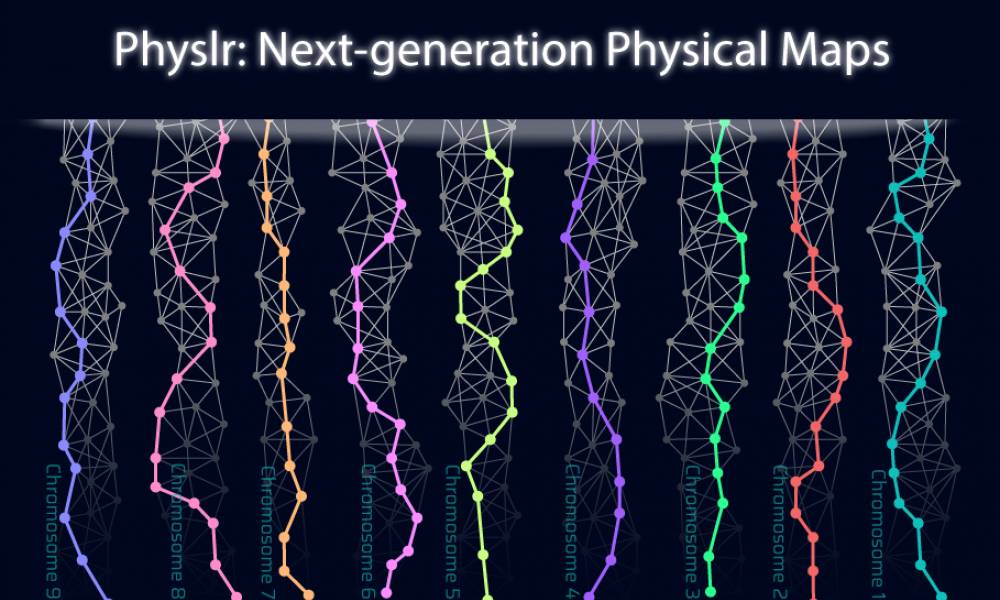
Constructing novel next-generation physical maps using Physlr
Researchers from the GSC’s Birol lab have developed a tool capable of generating next-generation physical maps from whole-genome sequencing (WGS) data.

Addressing challenges associated with genome analysis when nucleic acids are extracted from formalin-fixed paraffin-embedded tissue samples
Somatic variant calling from formalin-fixed paraffin-embedded (FFPE) genome sequencing data can be improved using computational and machine learning approaches.
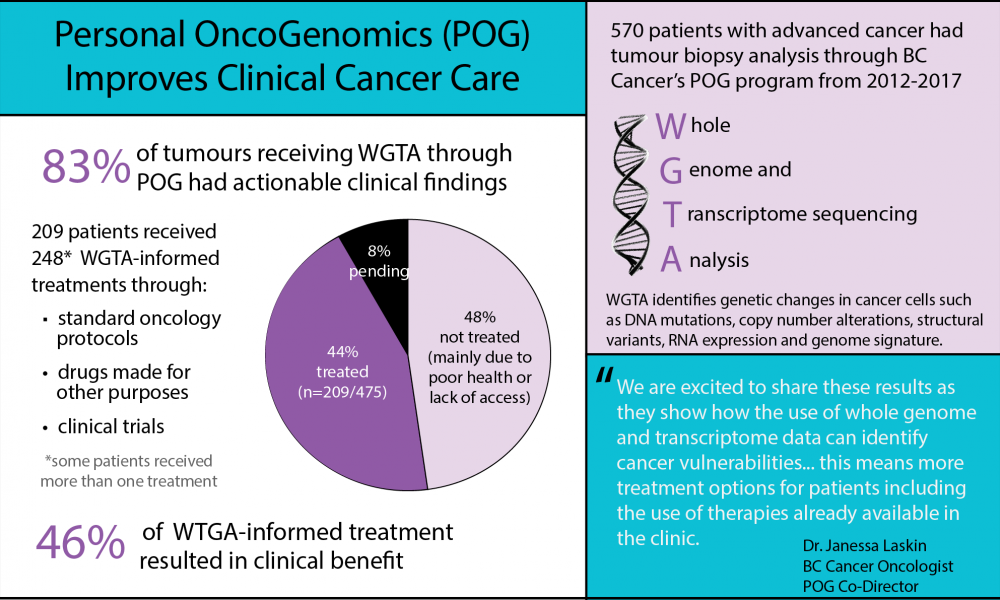
Whole Genome and Transcriptome Analysis Benefits Clinical Cancer Care
A prospective study of 570 Personalized OncoGenomic (POG) patients demonstrates how whole genome and transcriptome analysis can impact cancer treatment.

Unique repressive chromatin state to myelo-erythroid lineage is linked to regulation of blood cell differentiation
Lineage-selective genome-wide repressive histone modification signature unique to myelo/erythroid lineage involved in hematopoietic differentiation.

Looking at the genomic features of lung-recurrent, hormone-sensitive prostate cancer
The GSC’s Dr. Alexander Wyatt Lab assesses the genomic features of lung-recurrent, hormone-sensitive prostate cancer.
Canada’s Michael Smith Genome Sciences Centre respectfully acknowledges that we operate on the traditional, ancestral and unceded territories of the xʷməθkwəy̓əm (Musqueam), Səl̓ílwətaʔ/Selilwitulh (Tsleil-Waututh), and Skwxwú7mesh (Squamish) nations who have cared and nurtured this land for all time. We give thanks, as uninvited guests, to be able to live and work on these lands.


